Adidas New Year video: “New Year, New Belief”
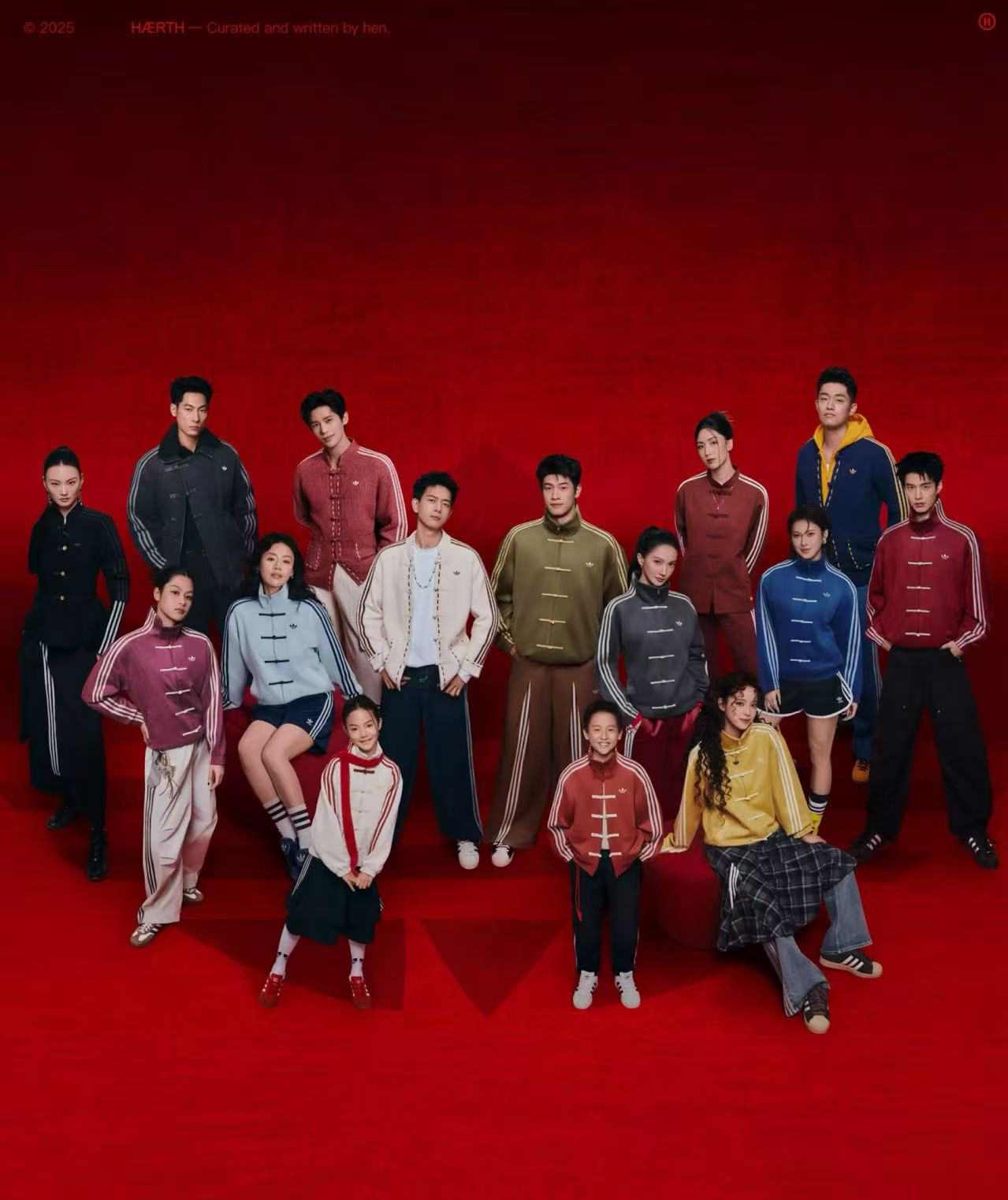
For Chinese New Year 2026, adidas launches its Year of the Horse collection with the message “New Year, New Belief – moving upward through sport.”
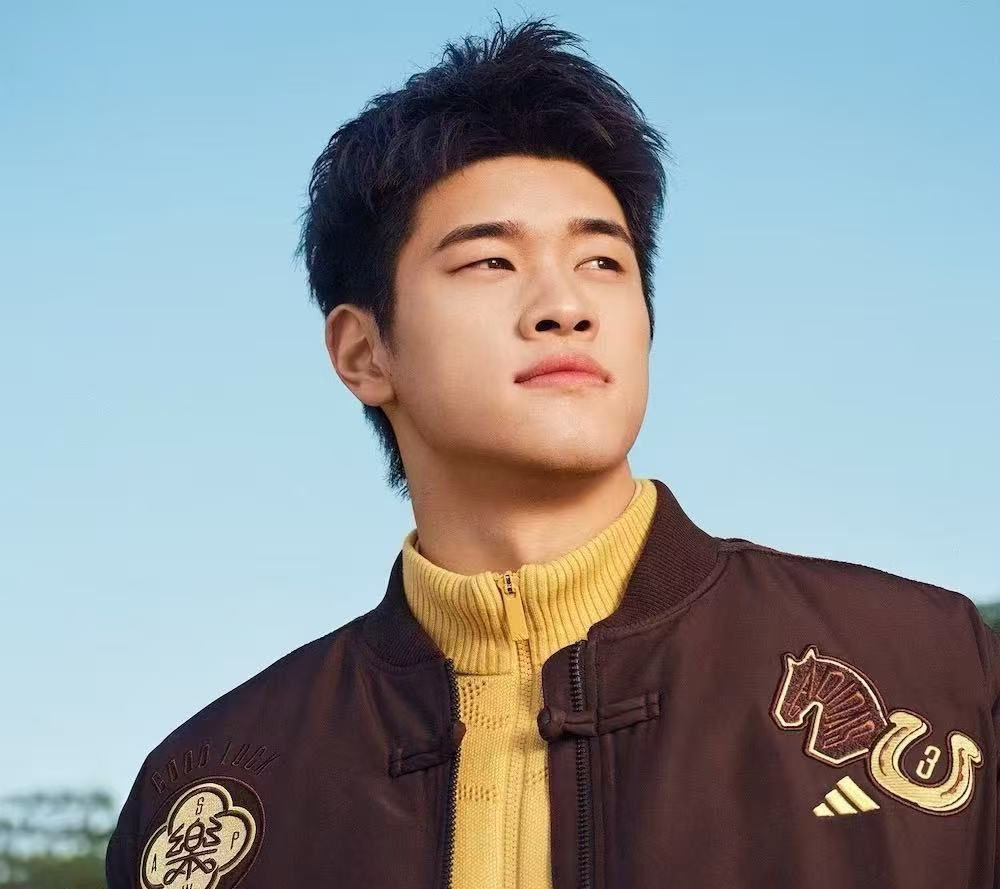
Featuring swimming world champion Pan Zhanle and brand ambassadors Jin Chen and Wang Anyu, the video takes a different approach from traditional festive storytelling. Instead of celebration or a perfect ending, it highlights continuity: adjusting pace, staying present, and moving forward in one’s own direction.
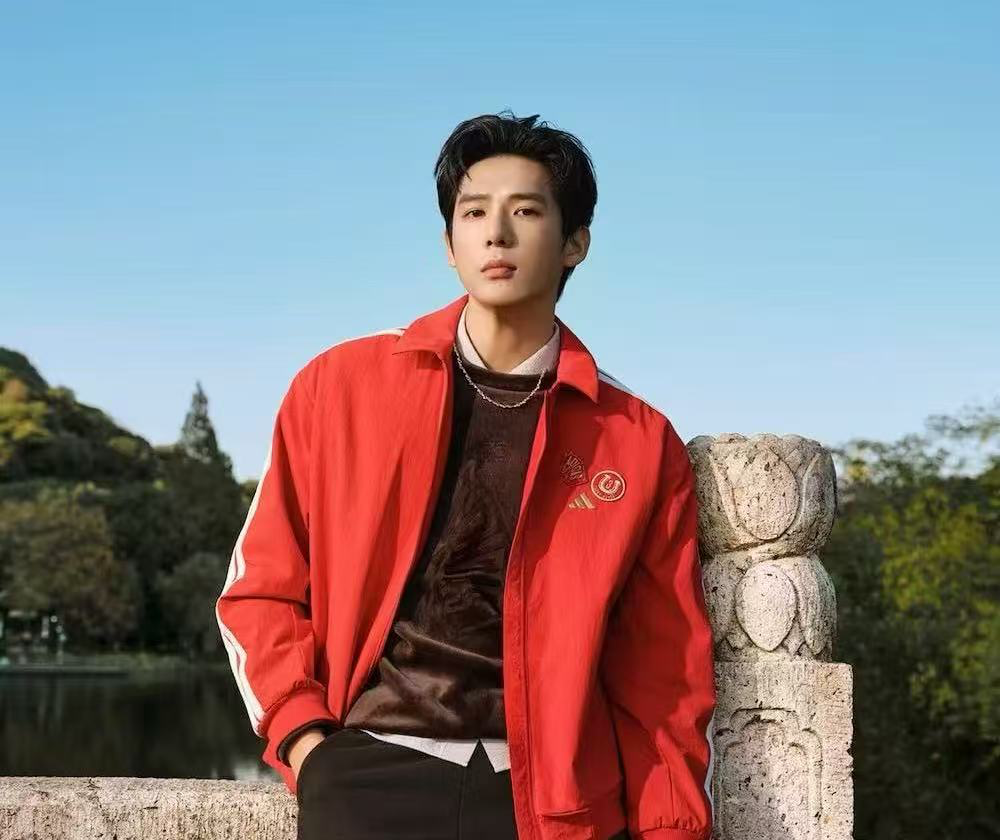
Celebrities are not portrayed as distant success icons, but as emotional mirrors of everyday life. The message is not “become me,” but “keep moving upward, in your own rhythm”.
The product is seamlessly integrated through visual cues. Ceramic-inspired tones, golden horseshoe details, and horsehair-like textures subtly convey strength, warmth, and forward momentum without disrupting the storytelling.
Chinese fragrance brand Documents launches Year of the Horse limited edition
Chinese fragrance brand Documents launched its Year of the Horse zodiac collection for Chinese New Year, centered on the limited-edition extrait de parfum Horse.
The campaign was built around the annual theme “Leap Forward Together into a Joyful New Year,” spanning both online storytelling and offline experiences.
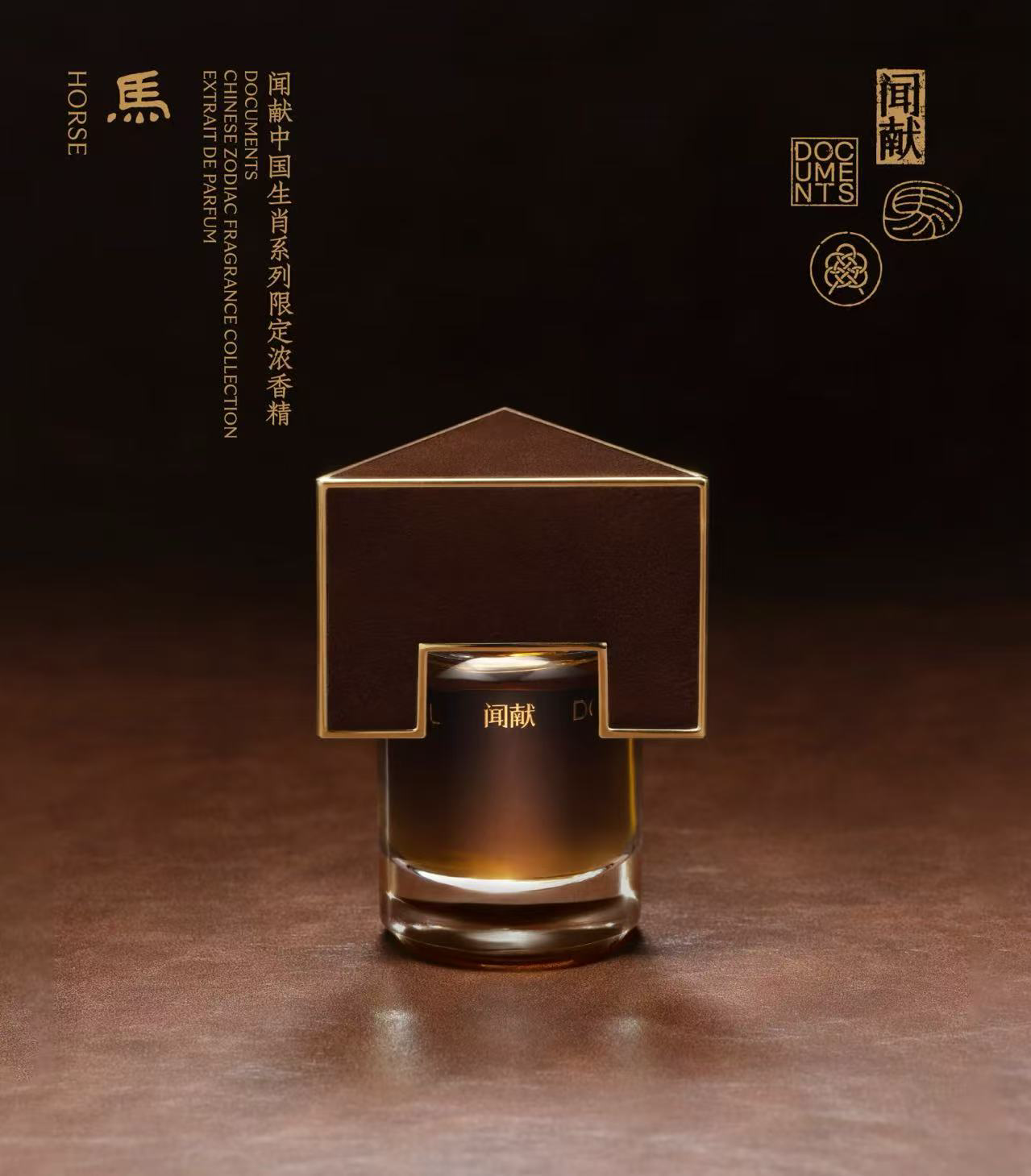
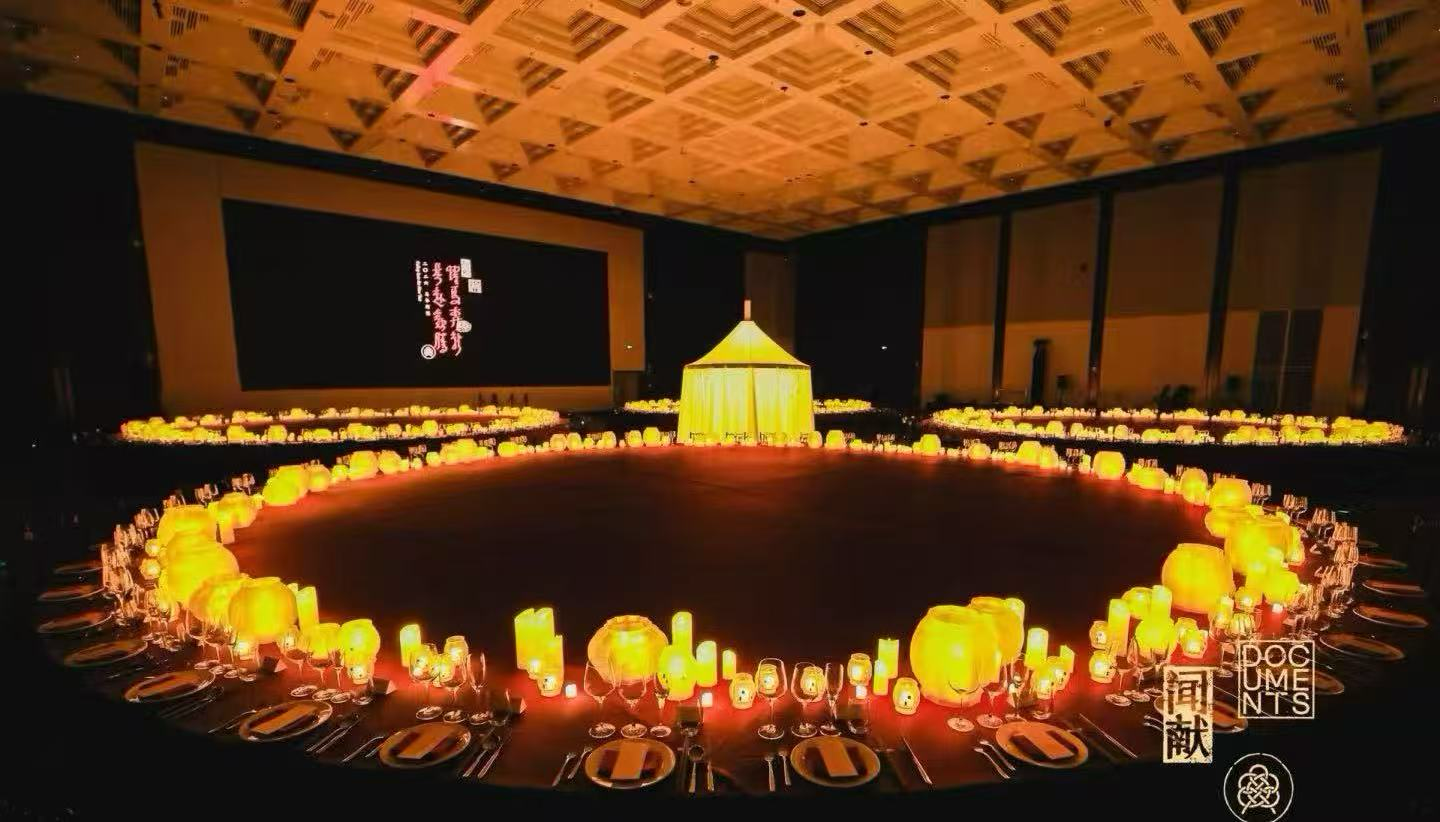
Offline, the brand hosted a family-style dinner that integrated the product launch into an immersive, scent-led narrative. Rather than treating the horse as a simple zodiac symbol, Documents expanded it into a broader aesthetic universe inspired by grasslands, nomadic life, and a sense of freedom, closely aligned with the brand’s core values.
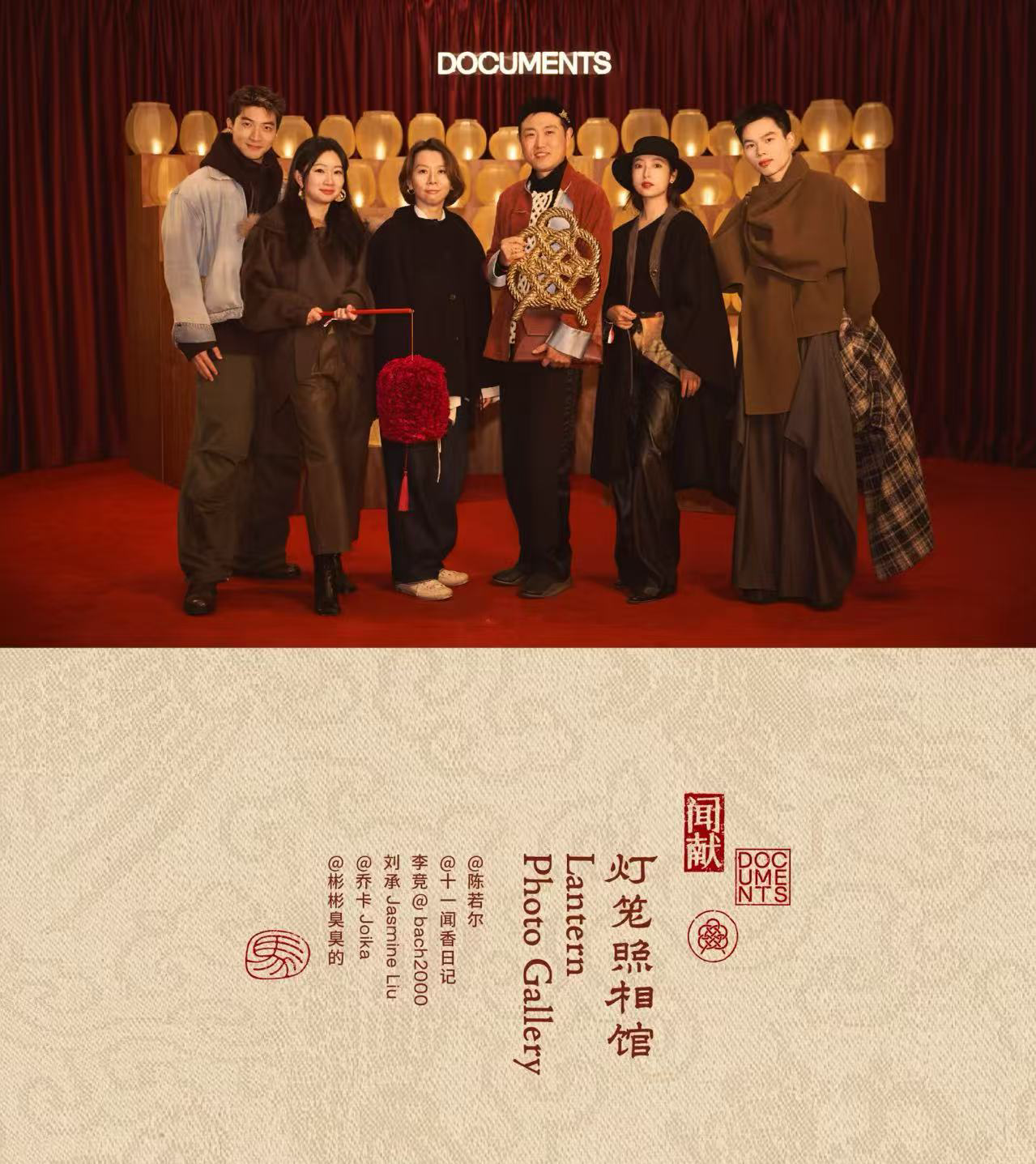
In parallel, Documents introduced a “Lantern Photo Gallery” installation at its West Bund flagship in Shanghai. Running throughout the Chinese New Year period, the installation invites visitors to gather, take photos, and celebrate, allowing the brand to naturally embed itself into New Year traditions.
Chinese bag brand Songmont’s Chinese New Year campaign worked without traditional festive symbols
Instead of bold festive visuals or heavy zodiac symbolism, Songmont built its Chinese New Year campaign around a limited collection and a series of quiet, poetic short films.
Through simple moments of childhood joy and freedom, the horse is portrayed not as a symbol of ambition, but as something that simply runs free.
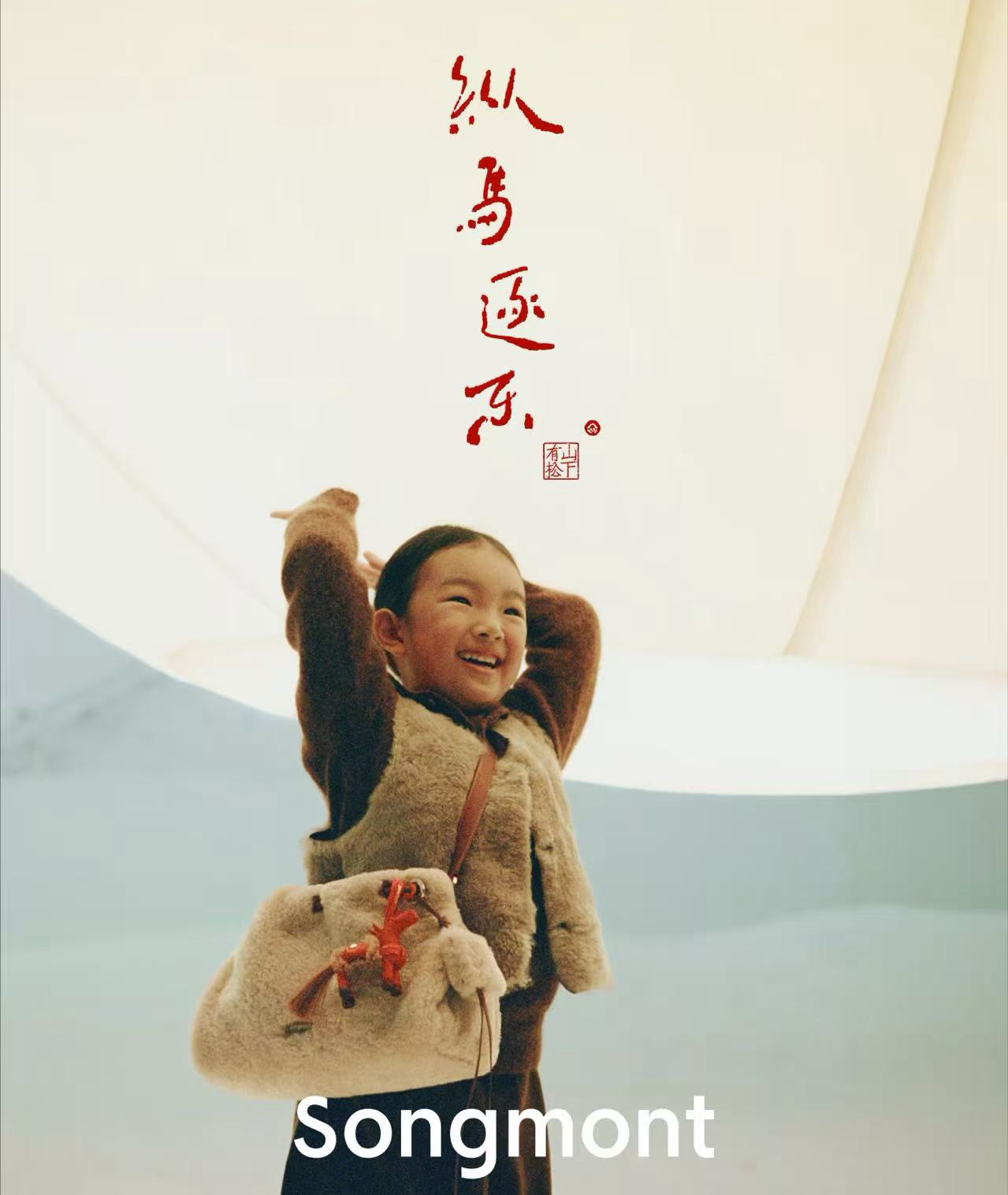
This approach resonates strongly with Songmont’s core audience of educated urban women aged 25–45. Rather than promising success or progress, the campaign offers emotional relief: a return to lighter memories and a slower rhythm during the New Year.
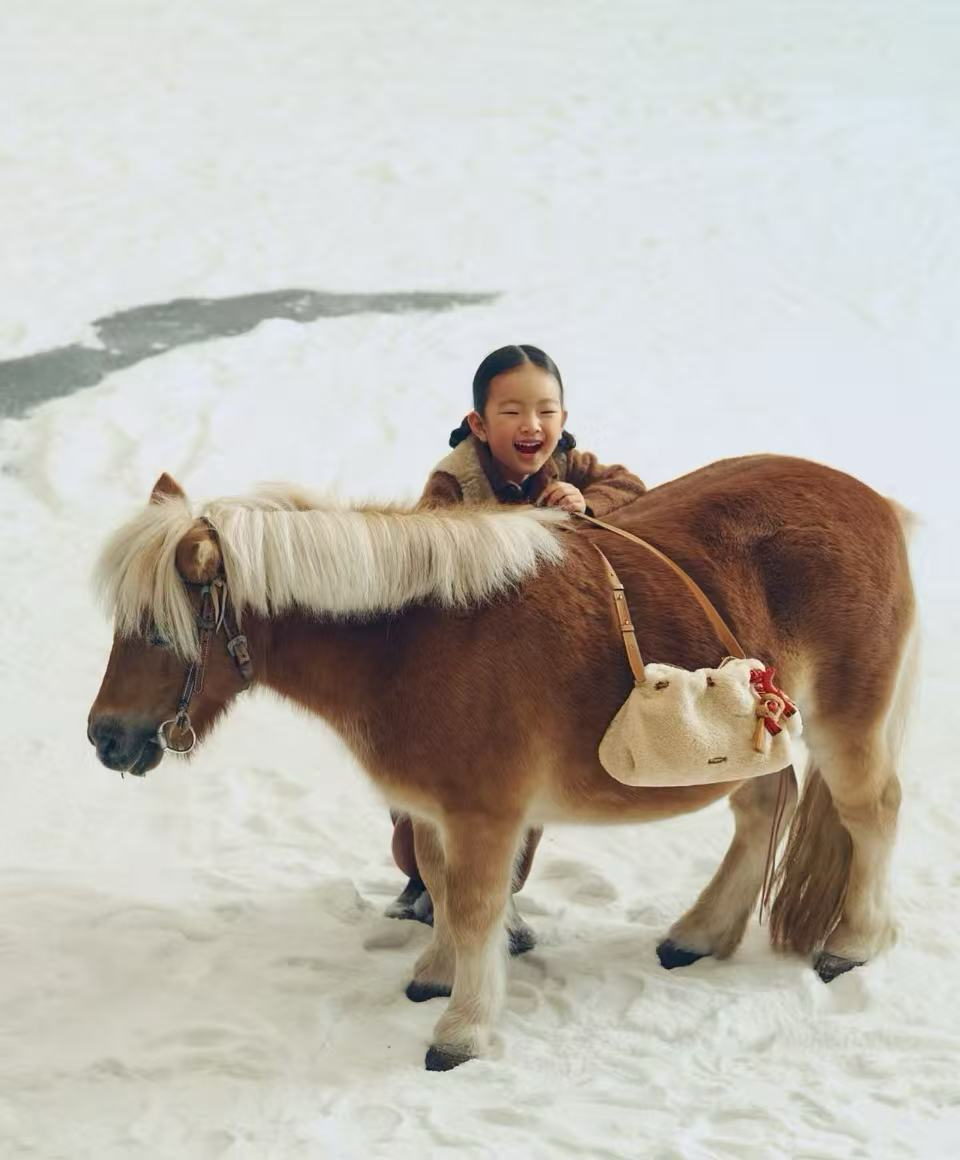
On social media, Songmont extended the narrative by inviting users to share their own childhood memories of joy. This interaction reinforced the campaign’s emotional tone, encouraged user-generated content, and turned the story from something to watch into something to participate in.
From spending to meaning: what is really changing in China’s consumer market
China’s consumer market has moved beyond growth driven by novelty or volume. Consumers are reorganizing spending around emotional clarity, cultural confidence, and long-term value, where price sensitivity and premiumization coexist. The following insights outline what this shift means for brands navigating China’s next phase of consumption.
- Value is being reallocated, not downgraded
Chinese consumers are not spending less across the board but spending differently. Functional purchases are optimized, while emotional and symbolic value still attracts decisive spending. The key shift is clear: efficiency is expected in function, but meaning is required in emotion.
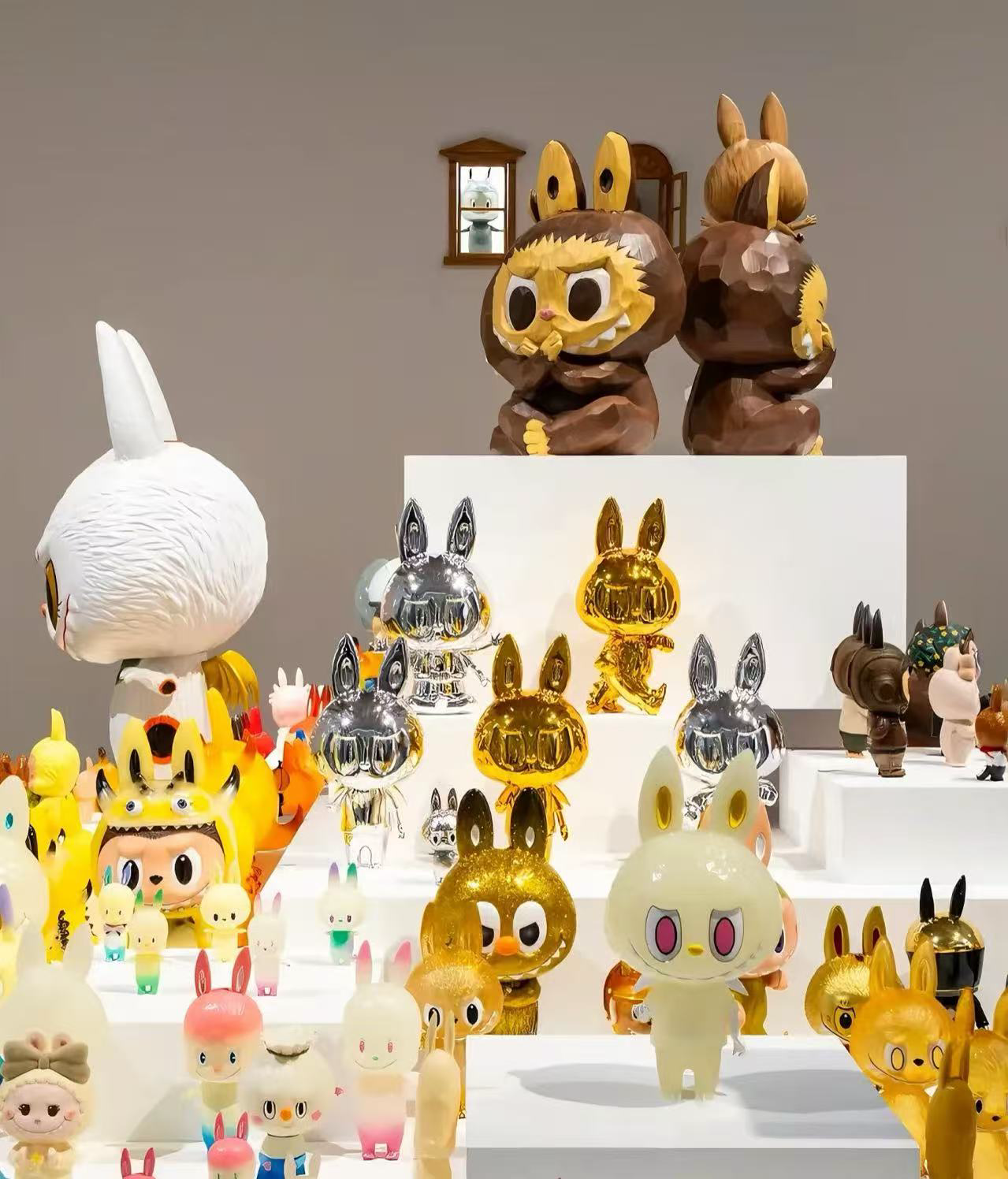
- Trust has shifted from institutions to individuals
Consumers are increasingly skeptical of corporate messaging but place high trust in real individuals. As a result, brands are reallocating budgets from centralized advertising to creator-led networks, relying on multiple voices speaking within their own trusted contexts.
- Experience now means participation, not presence
Consumers are no longer paying to simply attend events or visit spaces, but for experiences that create immersion and emotional involvement.
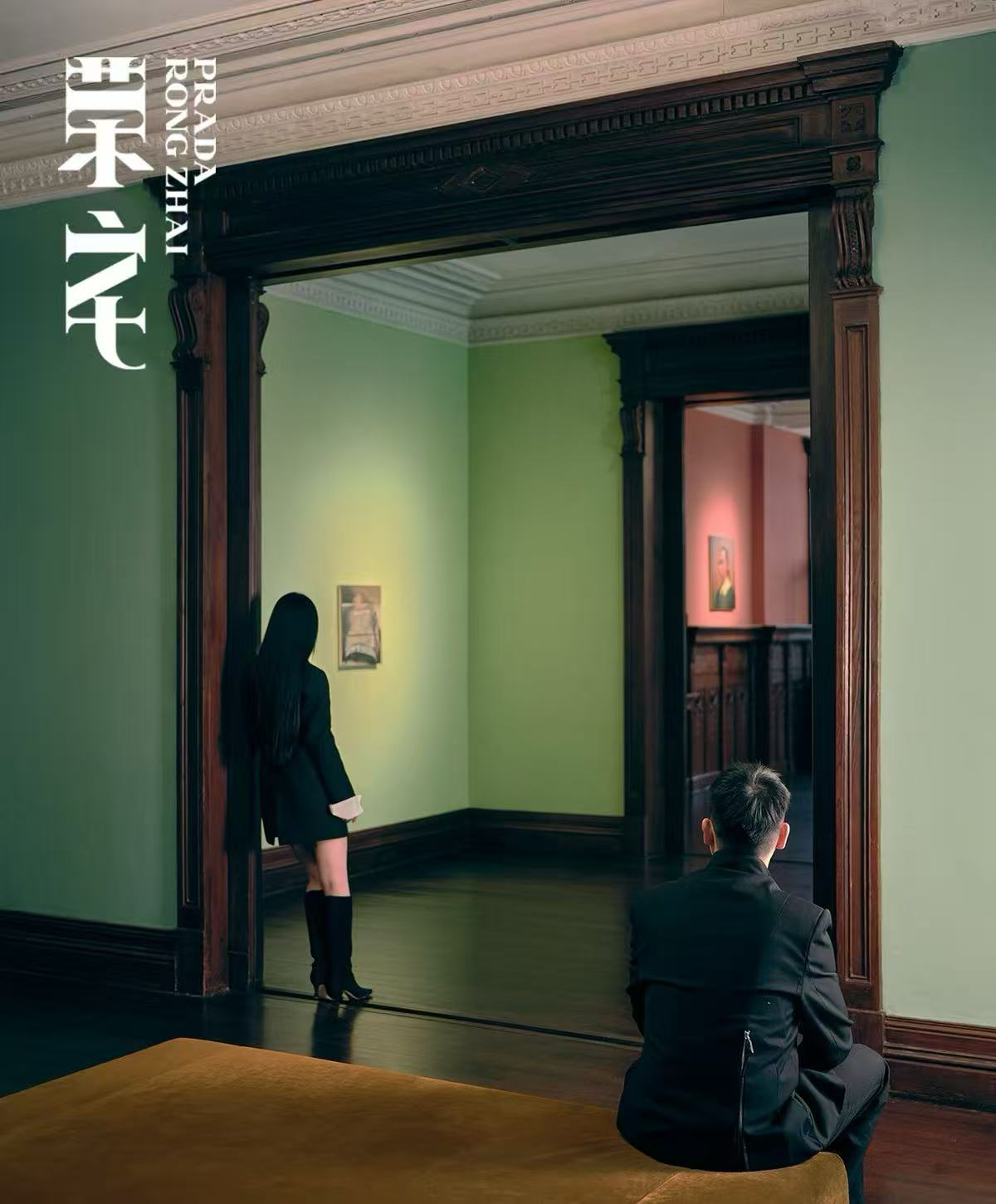
Value comes from feeling fully engaged and forming lasting memory. Prada’s activation of Rong Zhai in Shanghai illustrates this shift: by integrating architecture, art, dining, and narrative into one system, Prada turns visitors from spectators into participants, allowing the brand to be felt rather than explained.
- Local culture has become a living asset
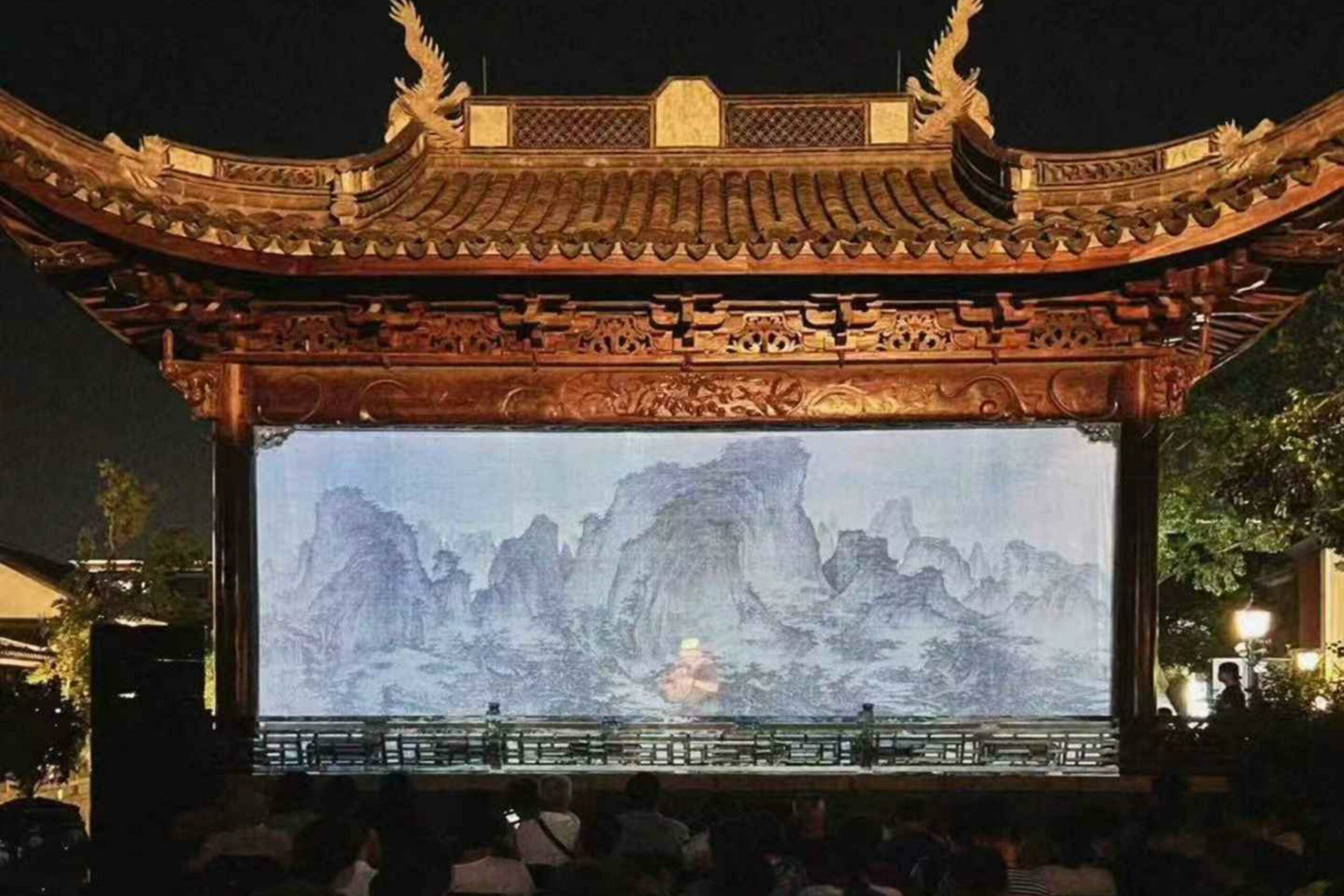
Locality is no longer consumed as information, but as experience and identity. Consumers value regional culture for the authenticity and emotional meaning it conveys, not just for taste or design. At Shanghai Xintiandi, initiatives like the “Xinsheng” cultural strategy turn tradition into everyday participation, treating culture as a living system rather than a decorative reference.
- Cultural confidence is reshaping aesthetics
What is often labeled “Chinese style” today reflects confidence rather than nostalgia. Younger consumers naturally remix traditional elements with modern life, using cultural codes as a form of self-expression rather than explanation. Brands that approach these symbols with restraint and respect gain credibility; those relying on surface-level symbolism quickly lose relevance.
- Long-term value is replacing excess
Many young consumers now prefer to buy fewer items but choose products that last longer and age well. This mindset is particularly visible in categories like outerwear, bags, and classic accessories, where people are willing to pay more upfront for long-term use.
- AI is becoming a decision partner
AI is reshaping how consumers decide, not by speed but by trust. In China’s next phase of consumption, the driver is not technology or price but meaning brands that integrate AI thoughtfully will build relevance and trust, while those chasing attention alone risk short-lived impact.