From Anti-Branding to Experiential Visibility
Maison Margiela’s recent initiatives in China reveal more than a market expansion. They reflect a broader transformation in how luxury brands engage with audiences today:
- From visibility to immersion
- From storytelling to participation
- From products to experiences designed to be shared
The shift became particularly visible when the house chose Shanghai to unveil its AW26 collection during Shanghai Fashion Week under the direction of Glenn Martens.
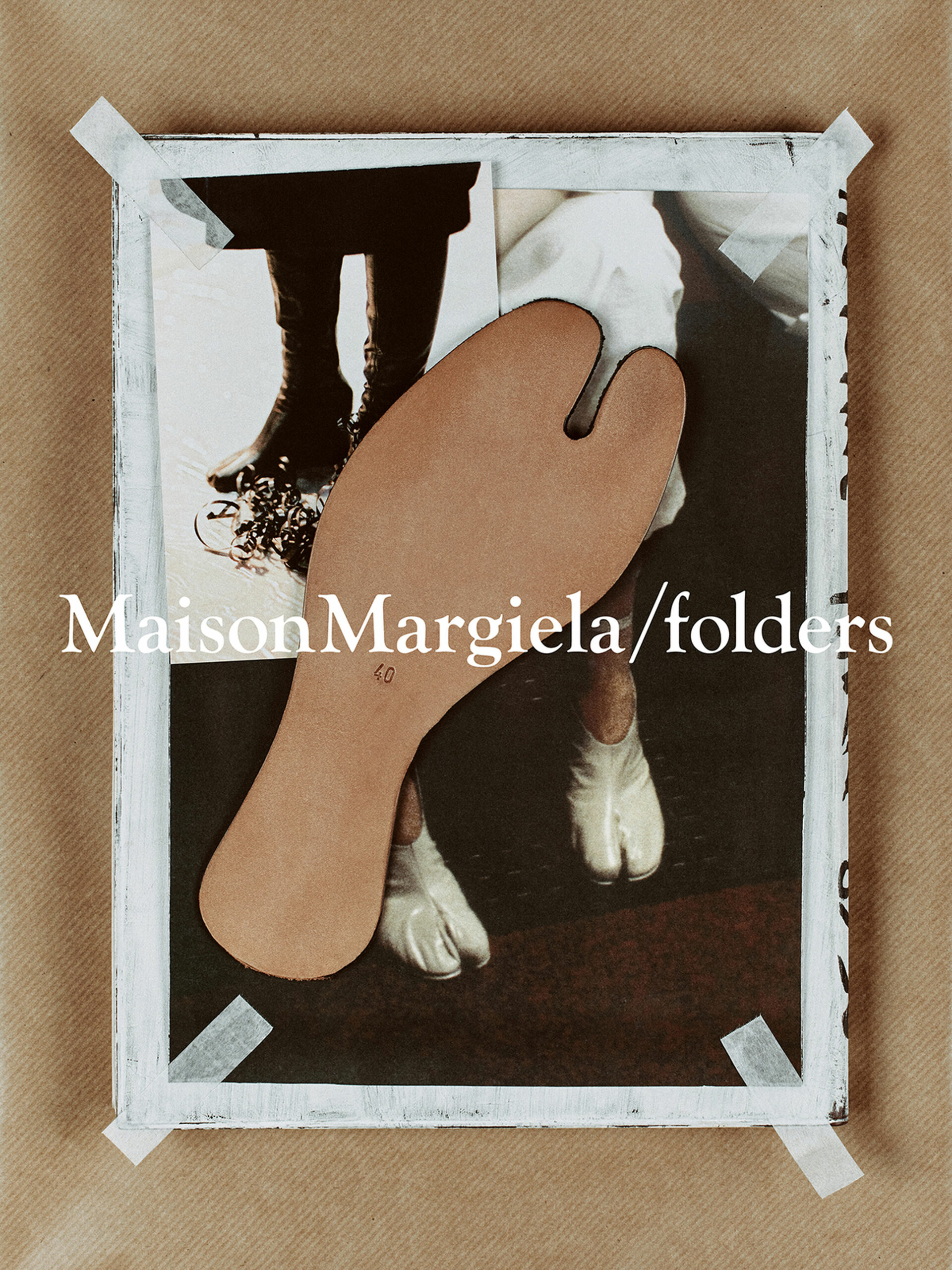
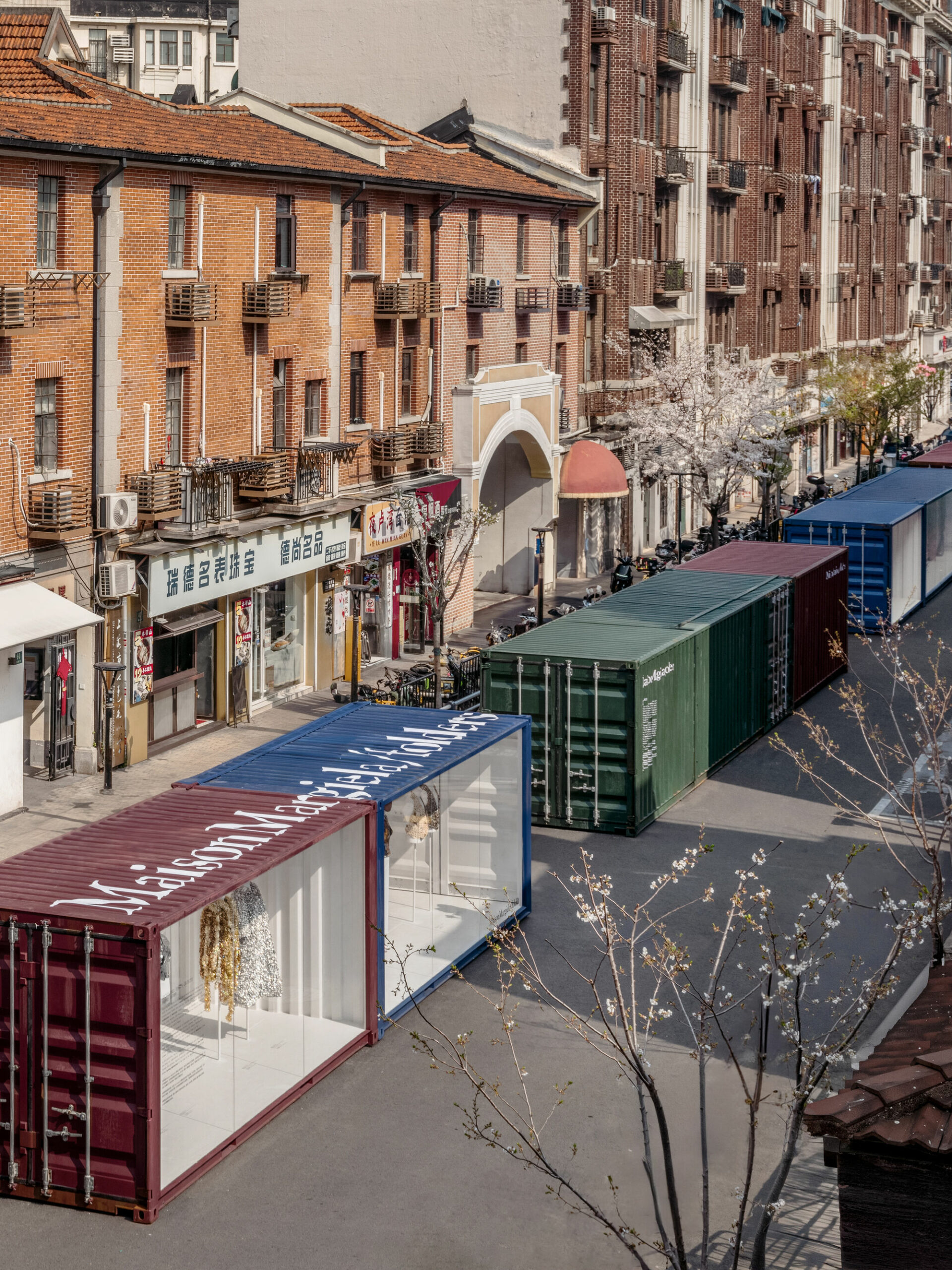
At the same time, Maison Margiela launched MaisonMargiela/folders, a multi-city project spanning Shanghai, Beijing, Chengdu, and Shenzhen through exhibitions, workshops, and immersive activations.
Experience as Engagement
For decades, luxury visibility was built through runway shows, advertising campaigns, celebrity endorsement, and retail presence.
Maison Margiela’s recent strategy in China suggests a different direction. Rather than concentrating visibility in a single fashion moment, the house expanded its presence through multiple cultural touchpoints across several cities.
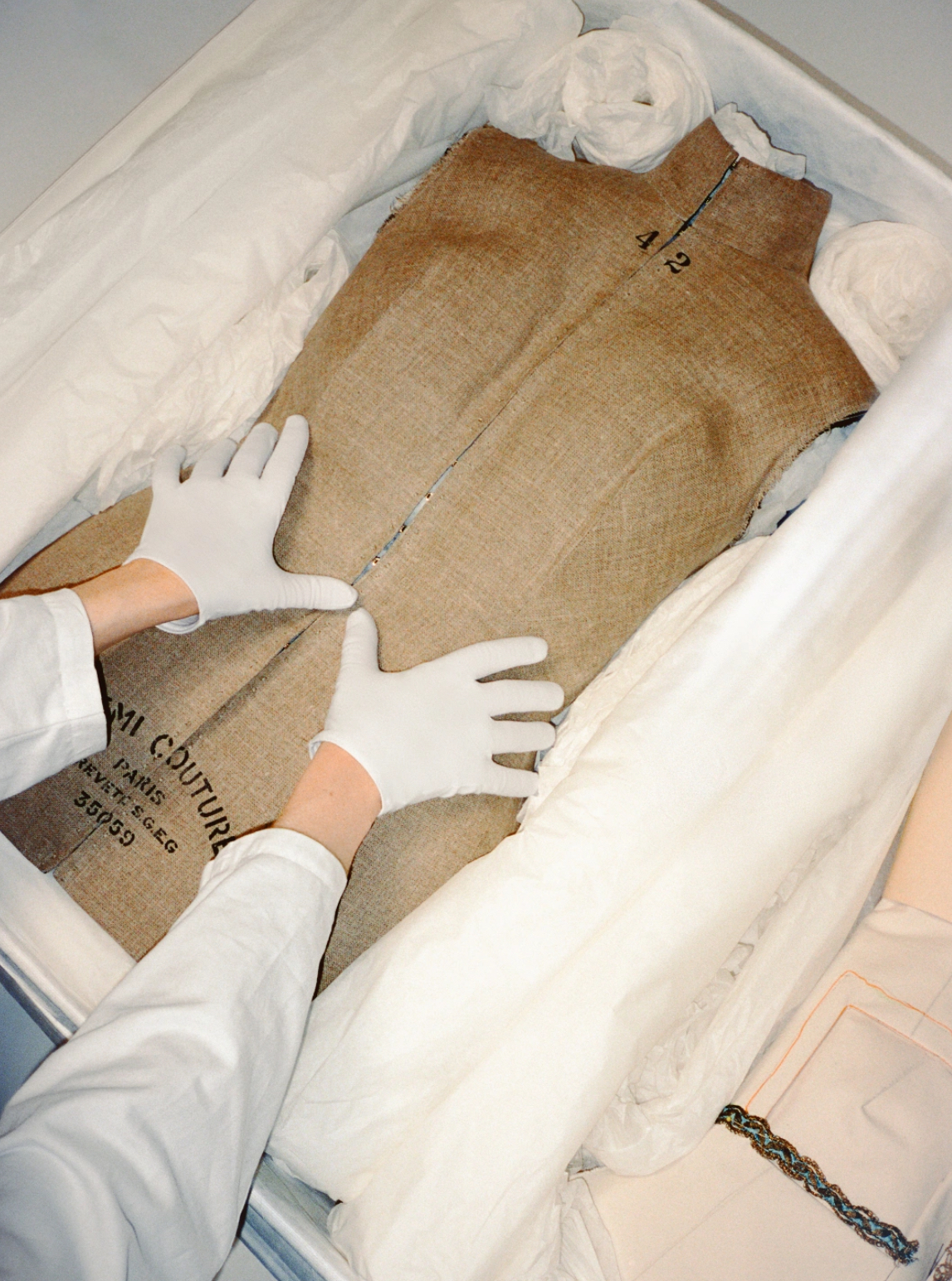
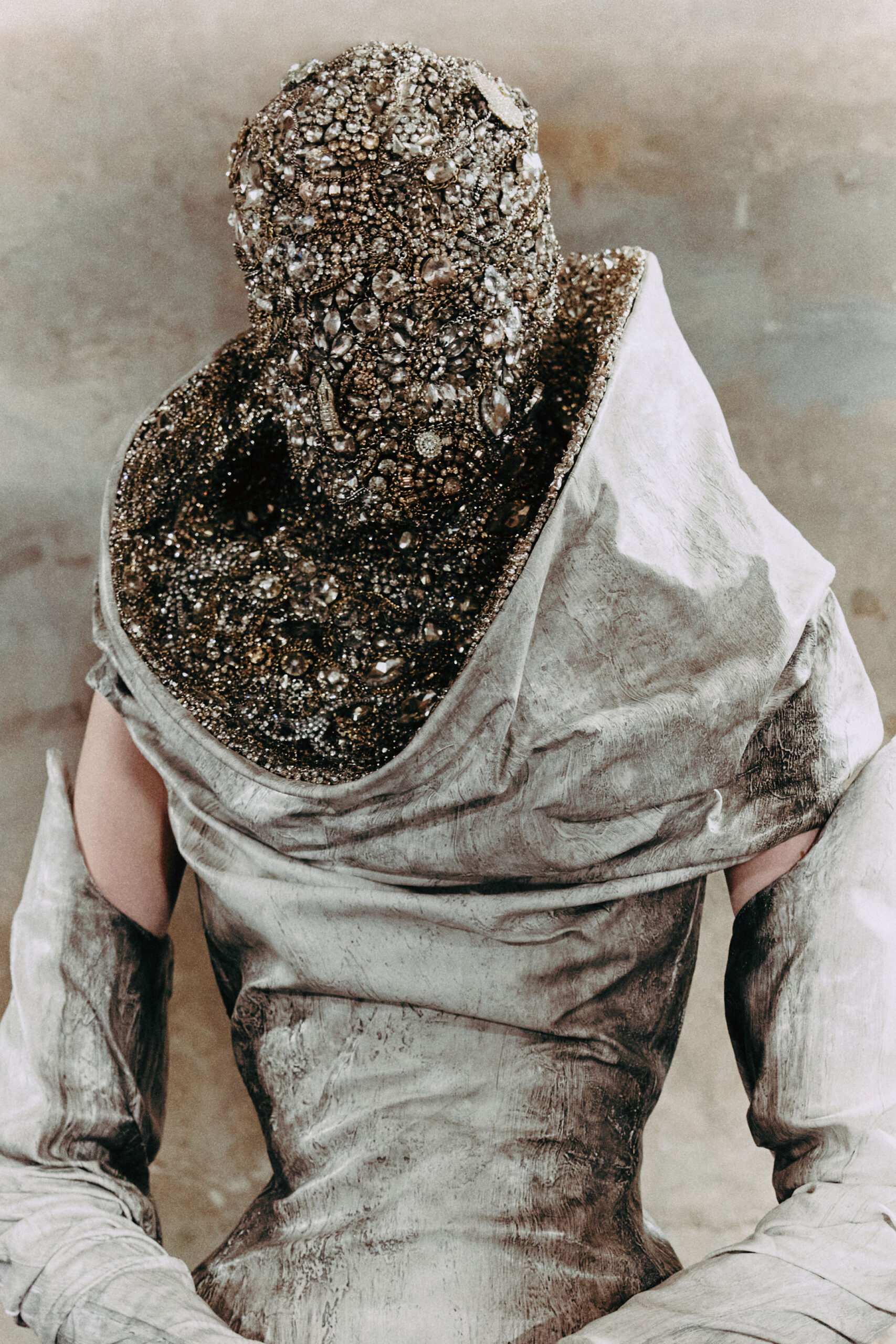
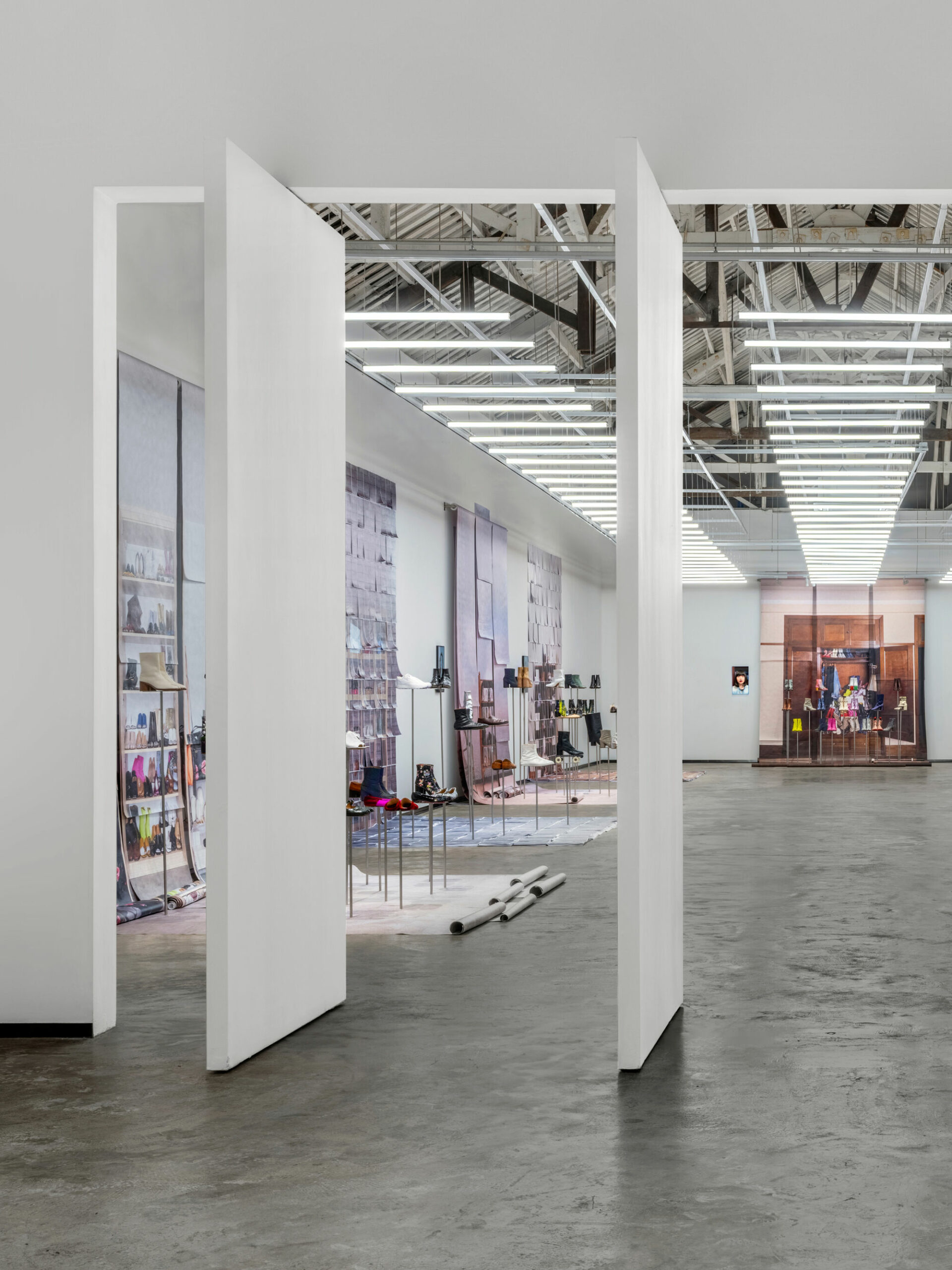
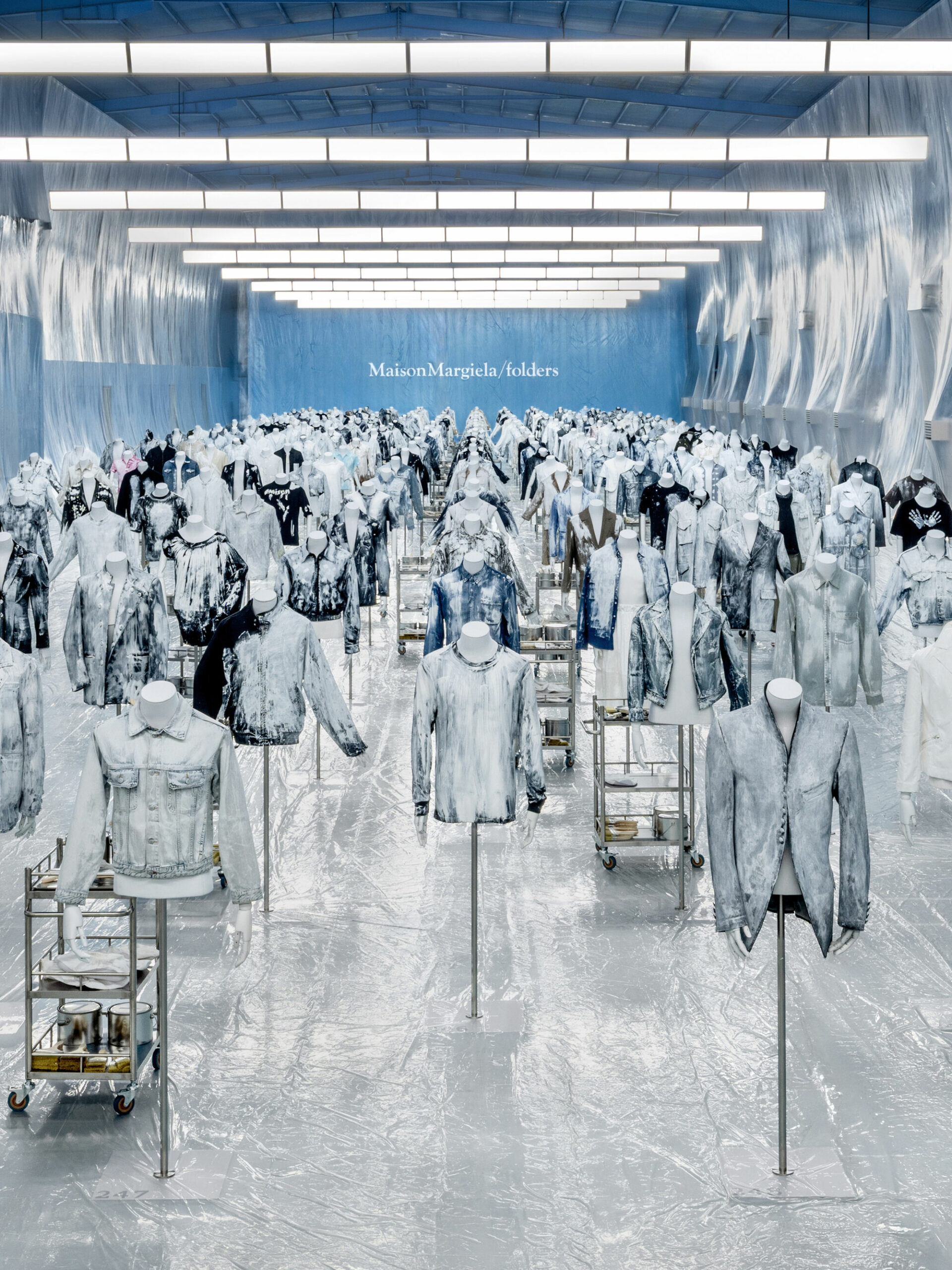
The MaisonMargiela/folders project was not designed as a traditional exhibition series. It functioned as a distributed experiential ecosystem. Each city explored a different dimension of the house’s identity:
Shanghai focused on Artisanal and the maison’s couture experimentation.
Beijing explored anonymity and the history of masks.
Chengdu reframed the Tabi as a collector and cultural object.
Shenzhen transformed the Bianchetto technique into a participatory atelier experience.
Together, these activations shifted the audience’s role from observer to participant. The strategy no longer relied only on presenting products or archives. Instead, it invited audiences to interact with the maison’s creative language directly.
In this model, engagement itself becomes visibility.
When Anti-Branding Meets Visibility
Maison Margiela’s collaboration with Xiaomi introduced another layer of tension.
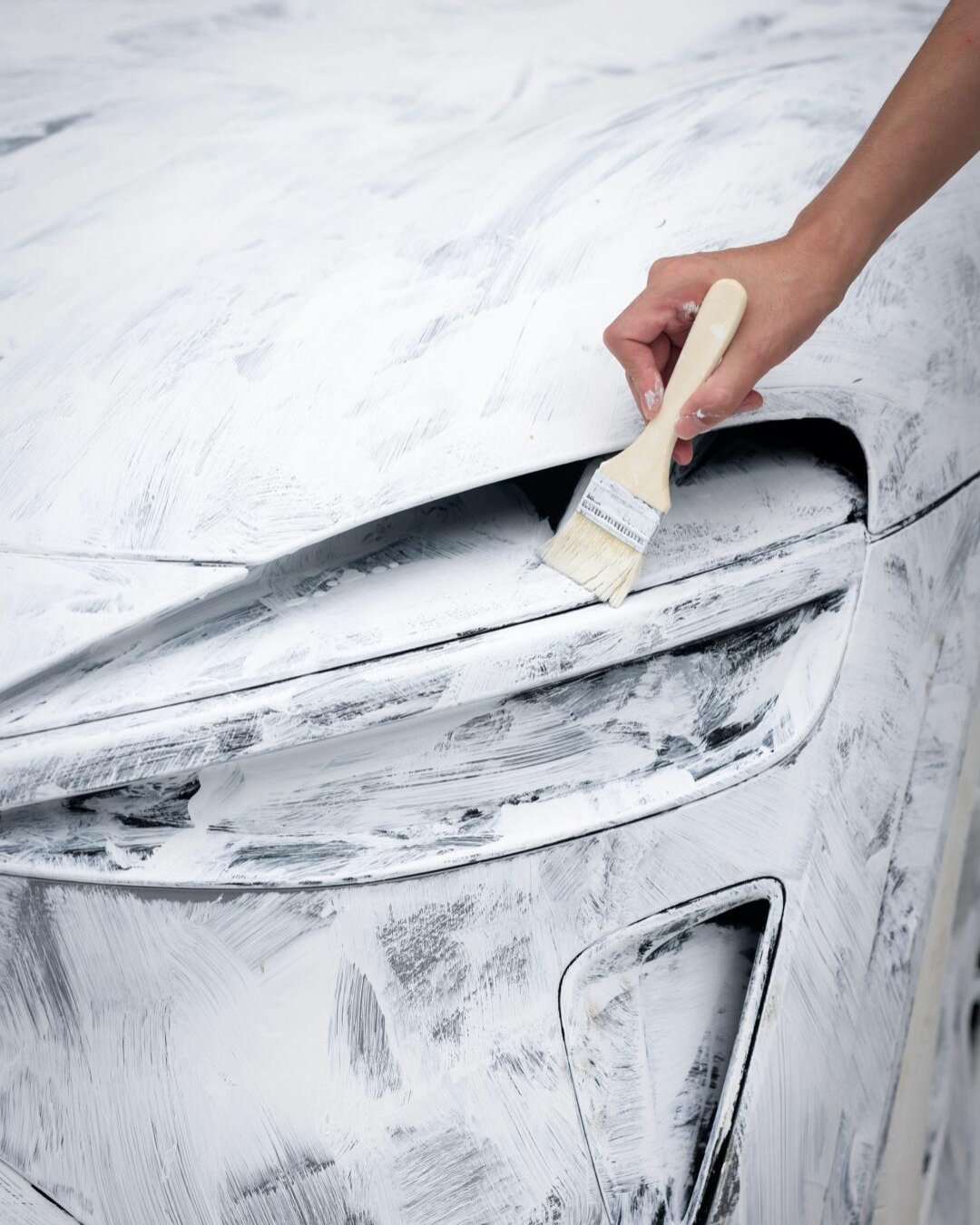
Historically, the house built its identity around anonymity and anti-branding principles, symbolized by its removable four-stitch white label. Seeing the Margiela name visibly placed on a car highlighted the contrast between the house’s original philosophy and the highly visible dynamics of today’s Chinese market.
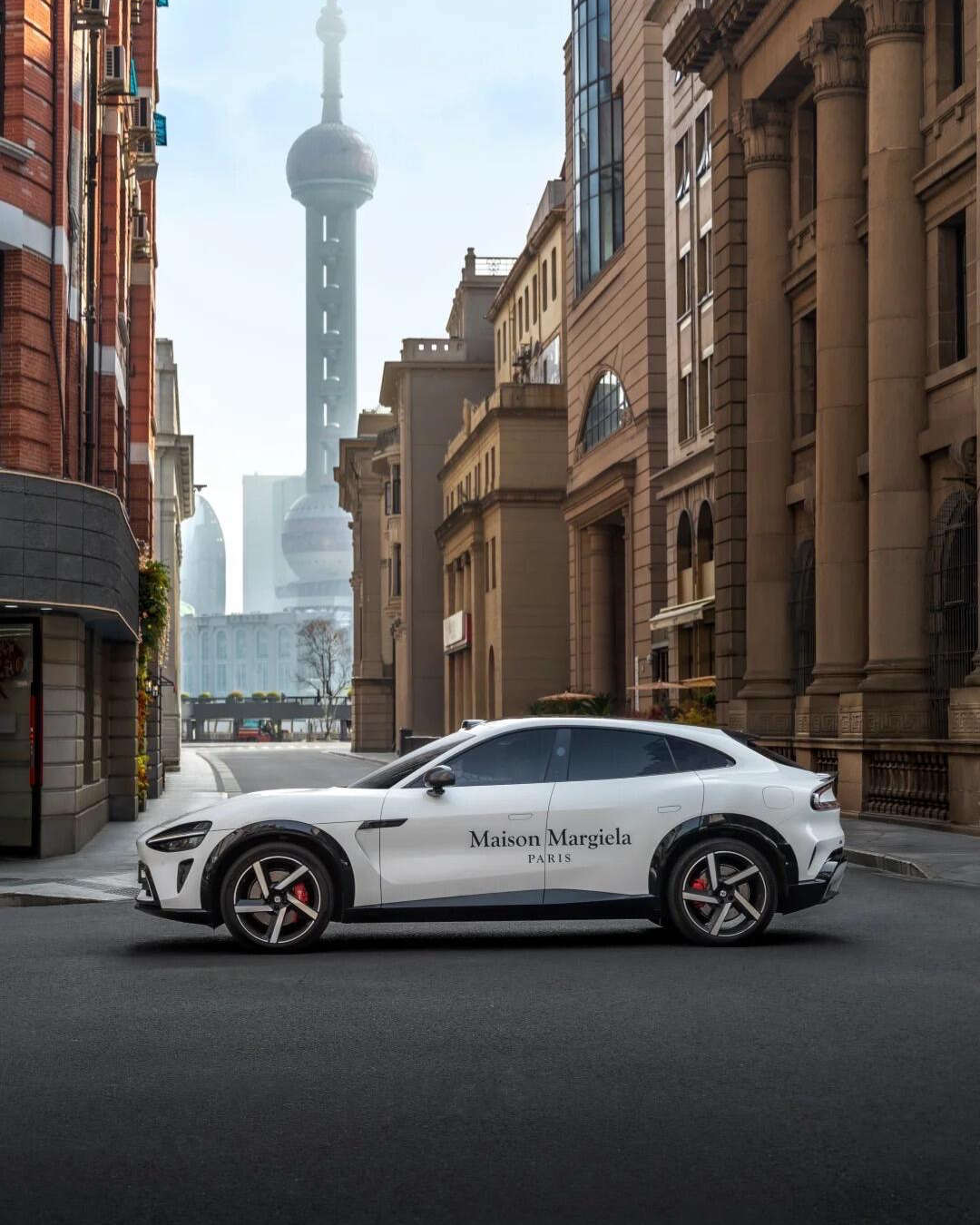
Yet this tension also reflects a broader industry shift: luxury brands are increasingly adapting their identities to environments shaped by amplification, social visibility, and digital culture.
Beyond Product Visibility
What emerges from these initiatives is not a rejection of Maison Margiela’s identity, but a translation of it into new experiential formats.
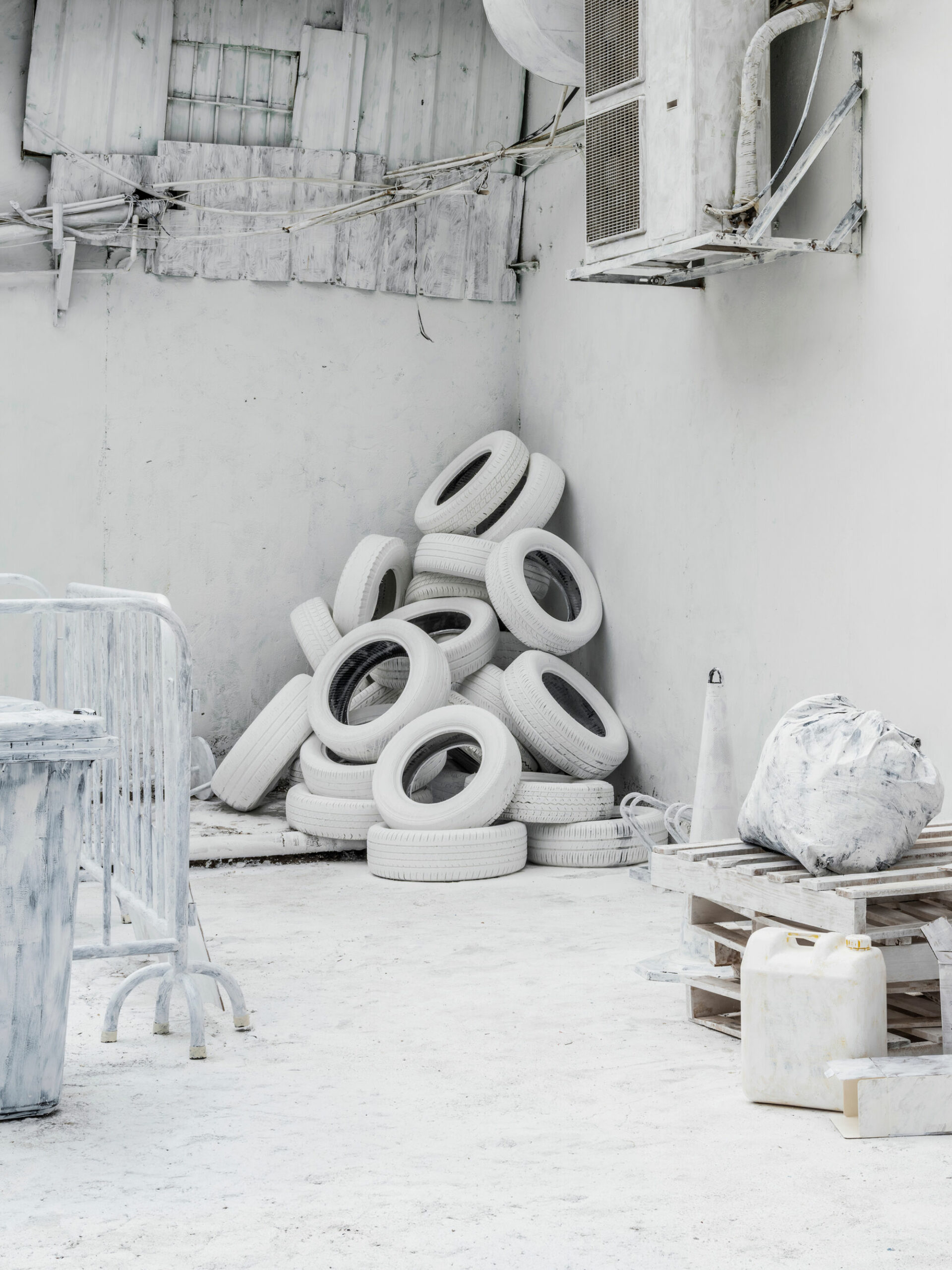
In China’s luxury landscape today, visibility is no longer built only through products, logos, or celebrity campaigns. It is increasingly created through immersive environments, participation, and socially shareable experiences.
Maison Margiela’s recent projects in China illustrate how luxury engagement is evolving beyond traditional brand communication.
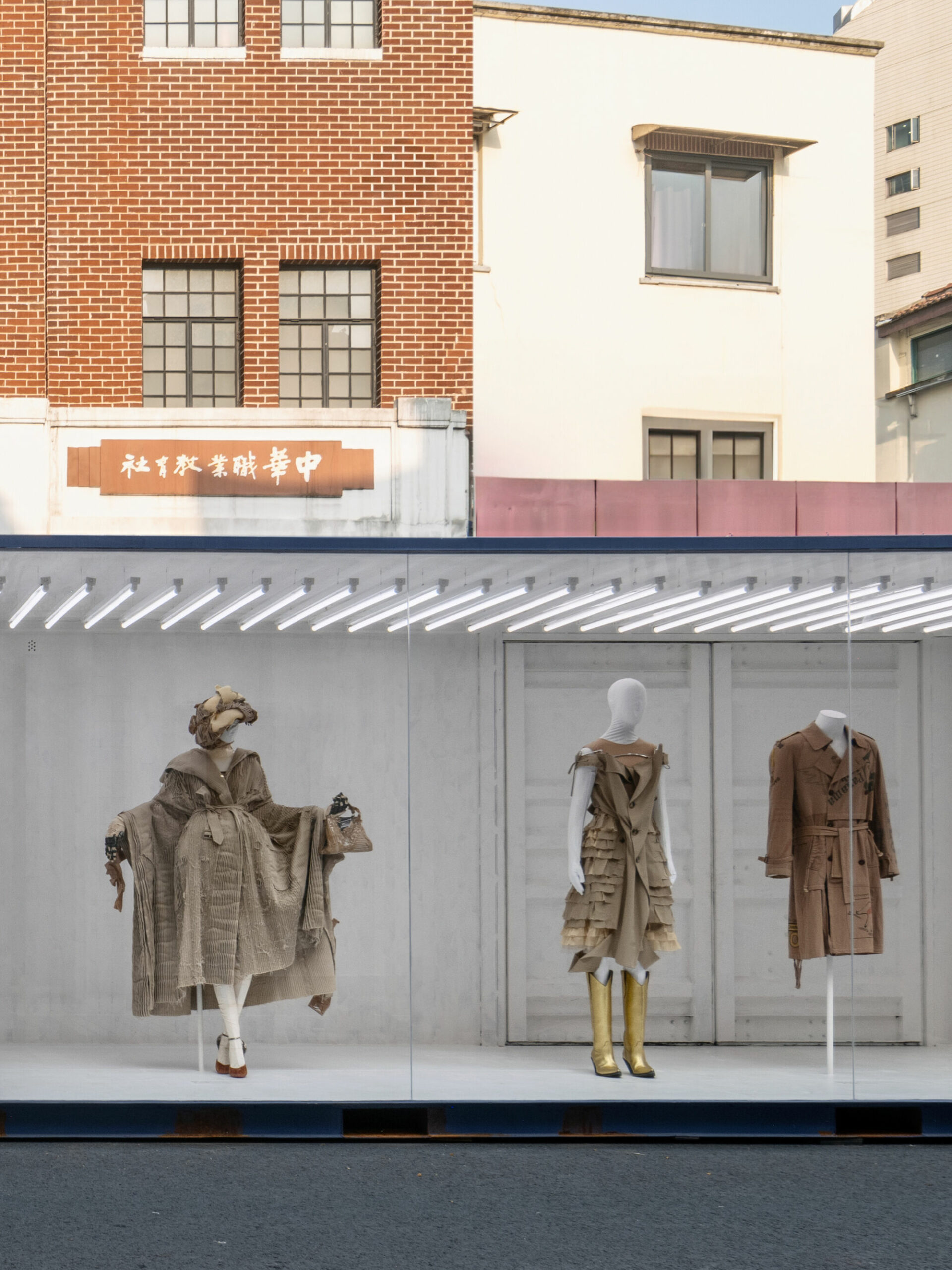
Rather than relying solely on visibility or product-driven desirability, the house is experimenting with experiences designed to be lived, interpreted, and shared.
In this context, audiences are no longer passive consumers. They become active participants in how luxury brands are experienced and amplified.