LV vs Molly Tea | A battle over trademarks, culture, and the boundaries of public heritage
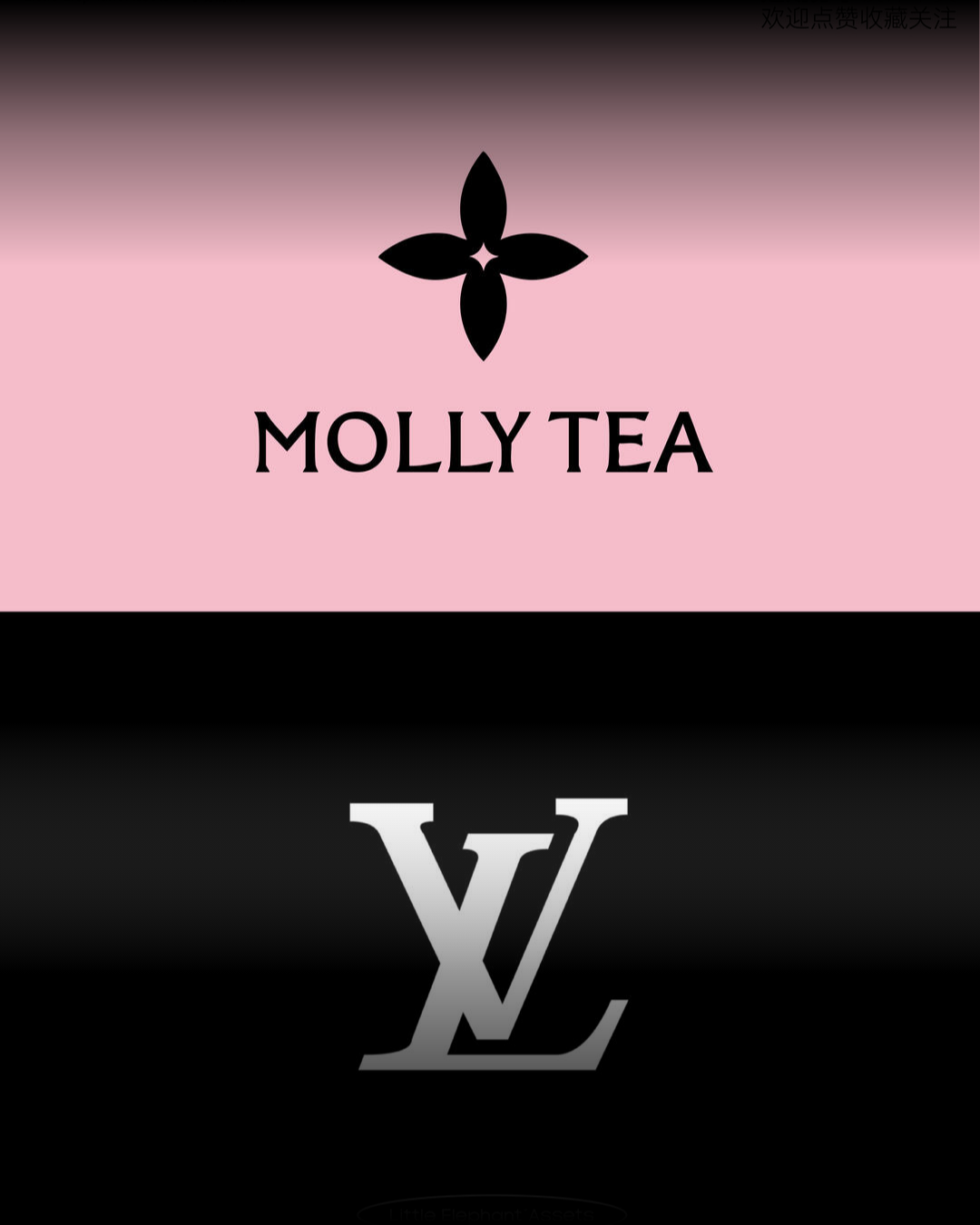
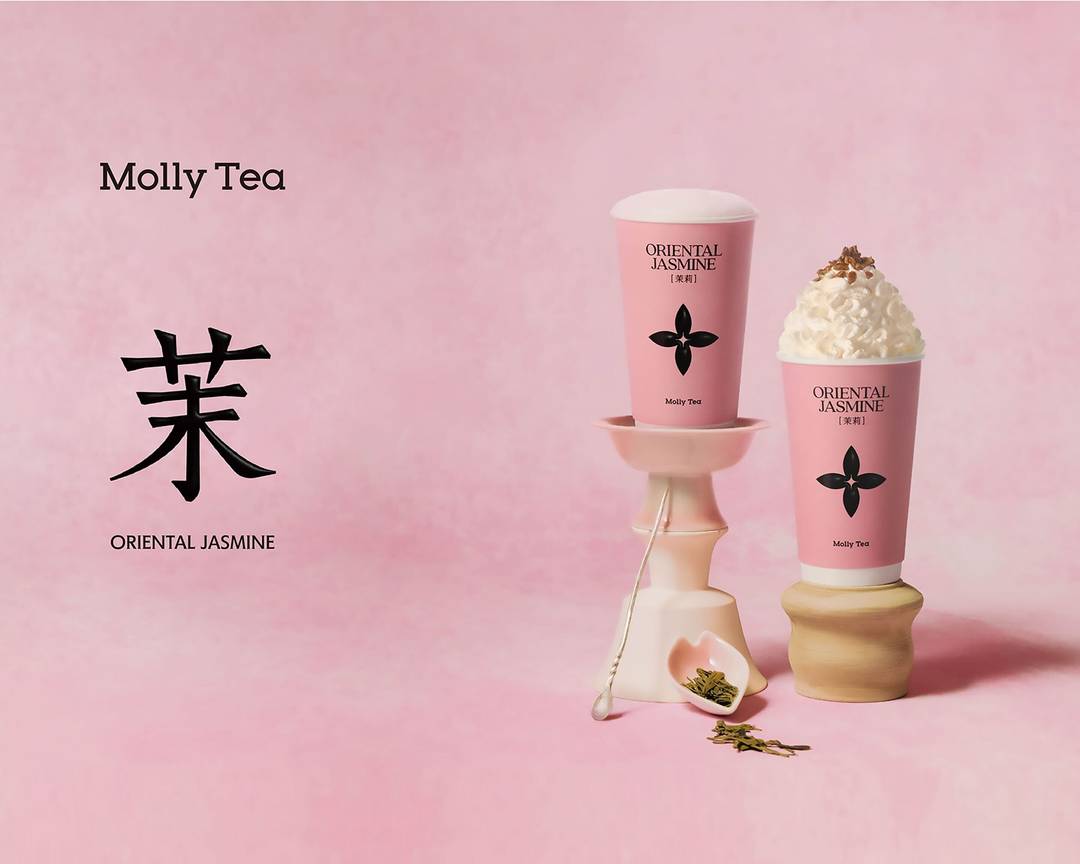
One of 2026’s most closely watched trademark disputes is unfolding between French luxury house Louis Vuitton and Chinese tea chain Molly Tea.
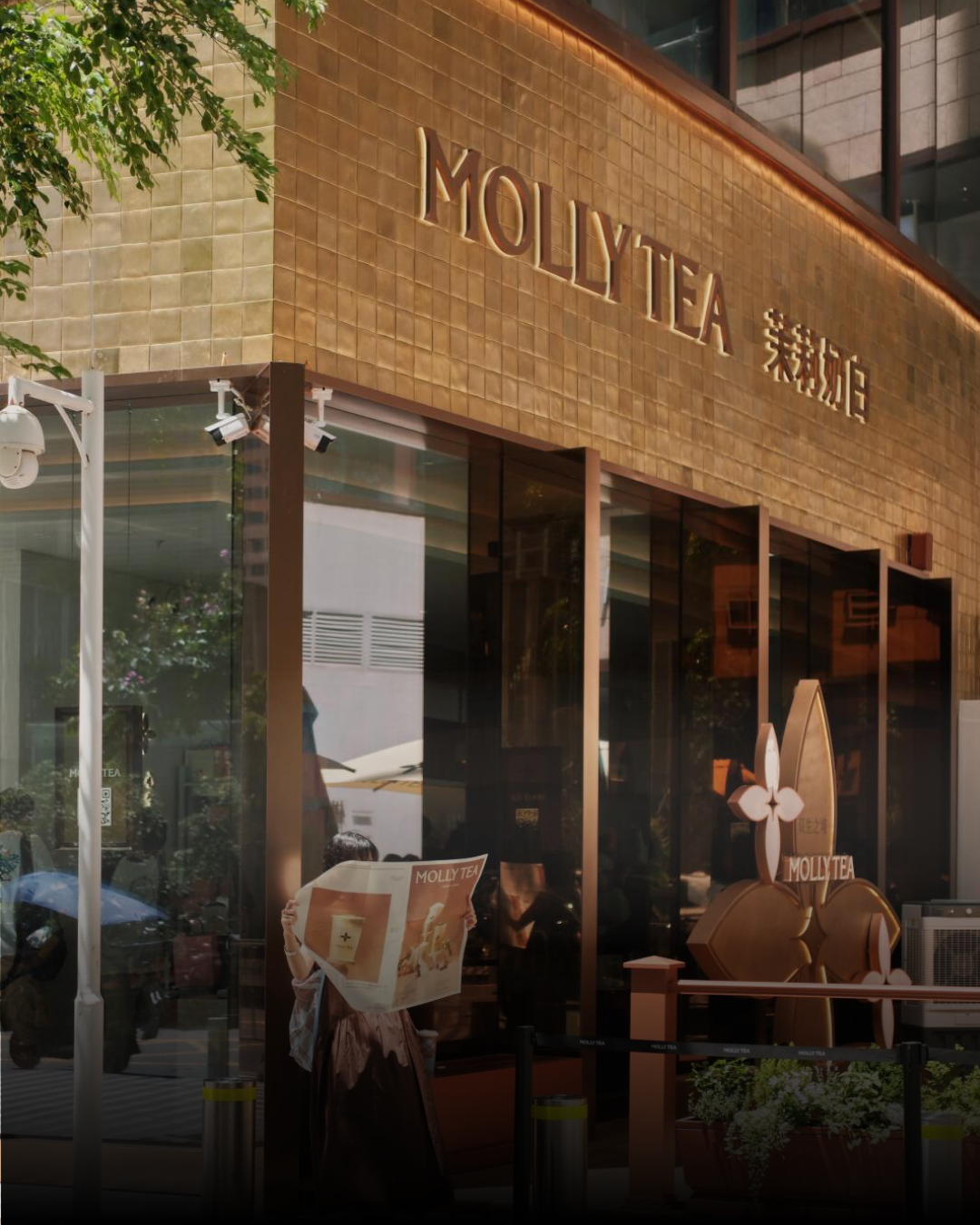
In late June, a Suzhou court issued a first-instance ruling, finding that Molly Tea’s four-petal floral graphic infringed upon seven of LV’s registered trademarks, ordering it to pay 10.3 million RMB in damages and fees combined. Molly Tea plans to appeal, and the ruling has not yet taken effect.
But beyond the legal outcome, the public storm this case has ignited is far more telling.
Public opinion is sharply divided, yet the scales lean heavily toward Molly Tea. The hashtag has generated over 360 million social media views, with users voicing frustration and calling for boycotts.
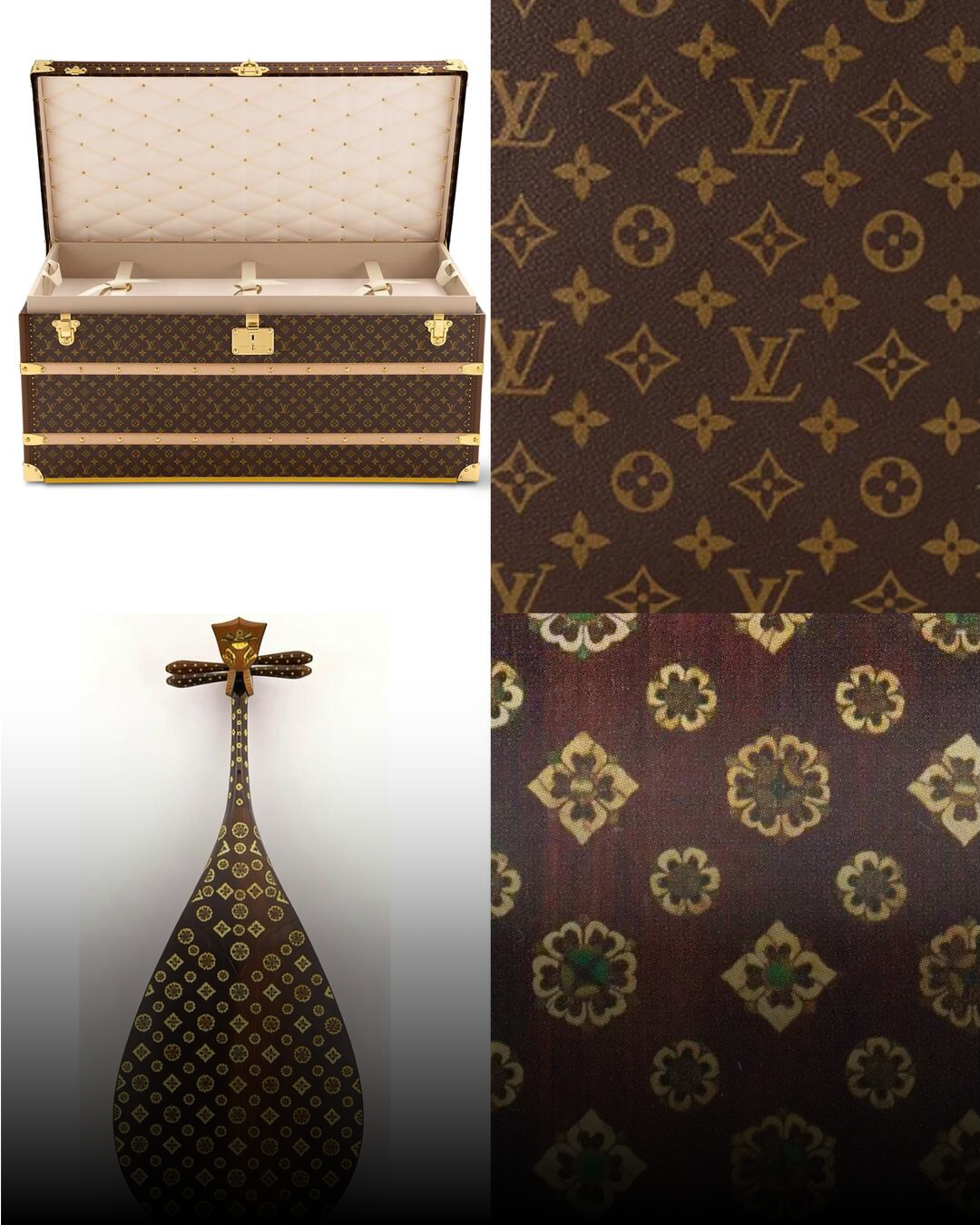
At the heart of the controversy: LV’s iconic monogram bears striking resemblance to Tang Dynasty baoxiang (precious flower) motifs and classical Chinese garden window patterns. Many argue that LV drew inspiration from Eastern design, and is now using trademark law to “monopolize” symbols belonging to the public domain. Some have even begun questioning trademark principles themselves: when legal provisions clash with cultural instincts, should the legitimacy of the law be reconsidered?
Beneath this lies a deeper undercurrent: as domestic brands rise and cultural confidence strengthens, Chinese consumers are increasingly intolerant of Western brands using IP to claim ownership over Eastern cultural heritage. When a French luxury house’s signature motif traces back to China’s Tang Dynasty, the lawsuit becomes a mirror reflecting cultural awakening.
Legally, LV’s case is well-founded under China’s “first-to-file” trademark system, which grants cross-class protection to well-known marks. But culturally, it exposes the growing tension between intellectual property regimes and traditional public symbols. Over the past five years, LV has initiated 1,691 trademark actions in China and as targets shift from street vendors to local tea brands, the gap between legal logic and public perception only widens.
Nearly three months after the ruling, the case continues to fuel conversations across Chinese social media. For a house whose image is its most valuable asset, this lingering backlash may well weigh more heavily than the damages awarded.
For Western brands operating in China, or considering entering the market, there is a lesson worth reflecting on: having the law on your side is not always enough. Even against a local tea brand, a legally legitimate move can become a reputational issue once it touches on cultural pride. In this market, public sentiment is a strategic factor in its own right, and one best considered upstream of any legal or communication decision: listen, contextualize, engage.
Where do private rights end, and public heritage begin? The answer requires dialogue among law, brands, and the public.