What the LEMAIRE controversy reveals about historical memory in China
Global fashion imagery often assumes aesthetic neutrality. Yet visual symbols rarely carry the same meaning across cultural contexts.
The recent reactions surrounding LEMAIRE’s scent objects campaign in China illustrate how a single visual composition can activate deeply embedded historical memory.
In the campaign imagery, the juxtaposition of a long braid, traditional clothing, and scissors was not interpreted by many Chinese audiences as a neutral aesthetic choice. Instead, it recalled a broader historical narrative associated with coercion, humiliation, and liberation.



Cultural symbol as historical wound
In the Chinese context, the braid carries a complex historical meaning.
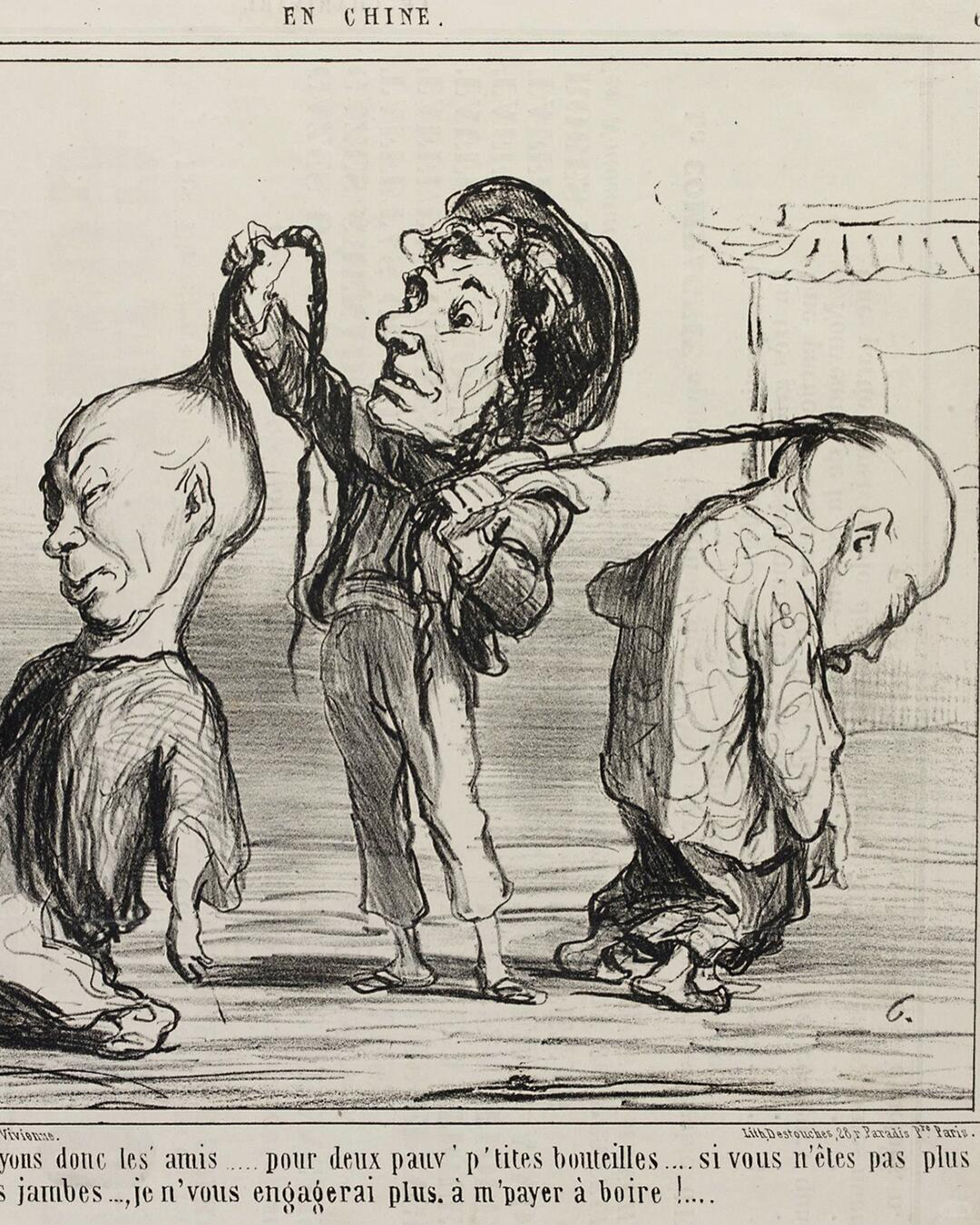
Associated with the Qing dynasty’s imposed queue hairstyle, it later became a recurring symbol through which China was represented and often caricatured in Western imagery. Over time, cutting the braid also came to symbolize resistance, political awakening, and self-emancipation.
As a result, the braid does not function as a purely decorative visual element. Its meaning is shaped by historical memory and collective interpretation.
Context changes interpretation
The meaning of a symbol depends not only on the object itself, but on who stages it and from which cultural position.
Within Chinese historical narratives, cutting the braid can represent liberation when it emerges from internal social movements. Reframed through an external fashion lens, however, the interpretation can shift significantly.
The reactions surrounding the campaign therefore reflect more than aesthetic disagreement. They reveal how consumers increasingly interpret fashion imagery through history, representation, and power dynamics.

The limits of surface-level localization
For brands operating in China, localization is no longer limited to cultural references, ambassadors, or festival campaigns.
Visual communication is increasingly evaluated through deeper historical and emotional associations. Symbols that appear visually neutral in one market may carry very different meanings in another.
In this context, cultural sensitivity is not simply a post-crisis response. It becomes part of the strategic work that must happen before a campaign is released.